
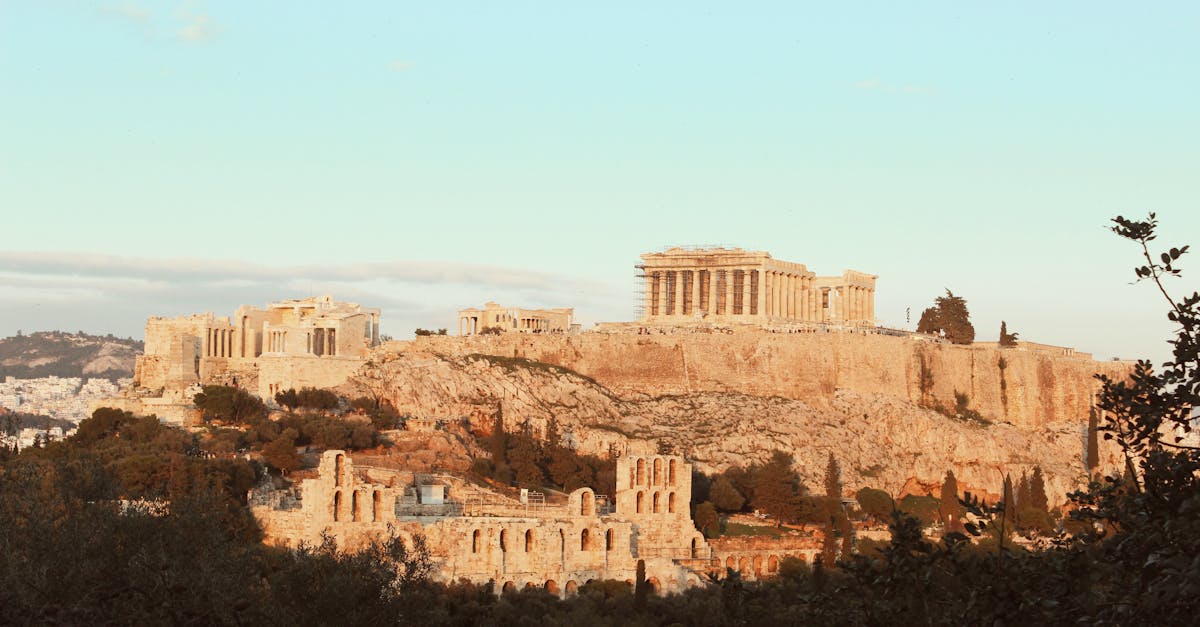
Discover 10 unforgettable Greece tours: ancient ruins, island-hopping, culinary adventures & hidden beaches. Expert local guides make it extraordinary.
Greece isn’t a place you just visit. It’s a place you feel. You feel the salt air off the Aegean and see golden light on a 2,500-year-old temple at dusk.
You taste grilled octopus at a seaside taverna, where the owner knows your name by your second night. We’ve spent years exploring this country, from the volcanic shores of Santorini to the misty monasteries of Meteora. No two Greece tours are ever the same.
But choosing what to do on Greece tours can feel overwhelming. There are thousands of islands and dozens of ancient sites. Food traditions change from village to village. Where do you even start?
That’s why we put together this guide. It covers ten great things to do that capture the best of Greece in 2026. It suits history buffs, beach lovers, and anyone who wants to eat their way across the Mediterranean. Let’s get into it.
Why Guided Tours Are the Best Way to Experience Greece
Here’s the thing about Greece. You can absolutely explore it on your own, and you’ll have a good time. But a guided tour turns a good trip into an extraordinary one.
We say this from experience. Our founder, Yannis Divramis, was born and raised on the islands of Milos and Santorini. He visits Athens every month. Each summer he tours places like Lefkada, Corfu, Knossos, Mystras, Messinia, and Skiathos.
Picture a local guide who grew up swimming in Kleftiko’s sea caves and wandering through Acropolis neighborhoods. You get stories and access that no guidebook can match.
Guided Greece tours handle the logistics, like ferries, tickets, and timing, so you’re free to soak it all in. Platforms like GetYourGuide and Viator often rank guided experiences among the top-rated activities in Greece for 2026, and for good reason.
You skip the long queues at the Acropolis. You learn why that crumbling wall in Delphi mattered to an entire civilization. You also discover hidden beaches that don’t show up on Google Maps.
At My Greece Tours, we design tailored journeys through expert local guides. These Greece tours blend ancient history with modern culture. It’s the difference between seeing Greece and truly understanding it.
Book your tour:
- The Old Acropolis Museum Reopens: Hidden Life Of The Sacred Rock
- Buy Acropolis Tickets in Advance: Acropolis Visiting Tips & Tickets Guide
- Acropolis Mistakes to Avoid: Big Mistakes to Avoid When Visiting the Acropolis
- Acropolis: Is It Safe to Buy Acropolis Tickets Online? Tips for Safe Ticket Purchase
- Acropolis Skip the Lines: Discover Ancient History Without the Wait at the Acropolis
- Avoiding Crowds at Acropolis: Tips to Avoid Big Crowds
- Are Acropolis Guided Tours Worth It? An Honest Look at the Acropolis Experience
- Acropolis Accessibility Guide: Information and Tips
- Best Time to Visit Acropolis Athens: Optimal Times & Sunset Visits
- Acropolis Multi-Site Pass & Combo Tickets: Acropolis Pass & Tickets Guide
- Acropolis Museum Tickets – Prices, Guide, & Tours | Skip The Line Tickets
- Explore the Acropolis: Acropolis Tickets & Tours Guide
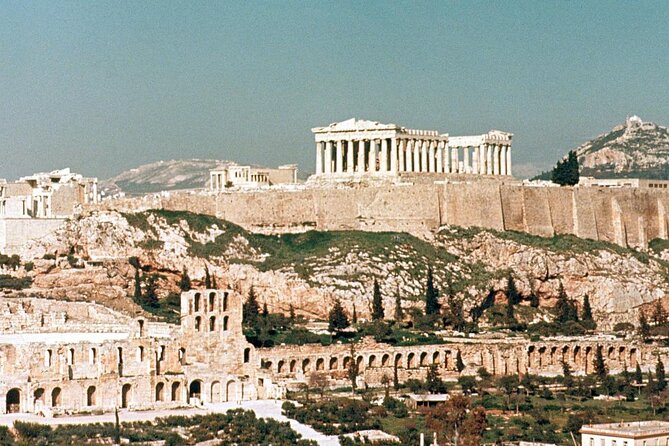


Explore the Ancient Wonders of Athens and the Acropolis
Greece tours are not complete without Athens. It’s the beating heart of the country and the cradle of Western civilization. Yes, that sounds dramatic. But standing at the foot of the Parthenon with the city sprawling below you kind of earns the drama.
The Acropolis is a UNESCO World Heritage Site. Its highlights include the Parthenon, which is dedicated to the goddess Athena. You will also see the Propylaea gateway, the Erechtheion with its iconic Caryatid columns, and the Temple of Athena Nike.
A guided walk through these ruins brings the ancient world to life in a way that reading a plaque simply can’t. Your guide will point out details you’d miss on your own.
One is the subtle curve engineered into the Parthenon’s columns. Another is the spot where ancient Athenians gathered to vote on democracy itself. For more ideas, explore Greece tours and Tours In Greece.
Afterward, we always recommend pairing the Acropolis visit with the Acropolis Museum just below. It houses original sculptures and artifacts pulled from the site. Its glass floors let you peek at ongoing digs beneath your feet.
The rooftop café offers great views back up at the Parthenon. It’s perfect for catching your breath and processing what you’ve just walked through.
Athens also delivers beyond the ancient sites. The Plaka neighborhood, the Monastiraki flea market, and a vibrant street food scene make it worth at least two full days.
Island-Hop Through the Cyclades: Santorini, Mykonos, and Beyond
For many travelers, island-hopping is the whole reason they come to Greece. The Cyclades archipelago, scattered across the Aegean like white-washed puzzle pieces, is where that dream comes alive.
Ferries connect the islands easily. Multi-day guided cruises on Greece tours add swimming stops, onboard BBQs, and well-planned routes that make the most of your time.


Santorini’s Caldera Views and Volcanic Heritage
Santorini is the island that launched a million Instagram posts. But it’s so much more than a photo opportunity. The caldera, a massive volcanic crater now flooded by the sea, creates one of the most dramatic landscapes on Earth.
On Greece tours, we recommend a sunset sail along the caldera rim. The golden-hour light over the Aegean is truly unreal.
Beyond the views, Santorini has volcanic hot springs you can swim in and heritage hikes between Fira and Oia. Dinner cruises let you watch the sun sink while you eat freshly grilled seafood.
The village of Oia gets all the attention. But don’t sleep on Pyrgos or Akrotiri. Akrotiri is basically a Minoan Pompeii, buried by the same eruption that formed the caldera.
Mykonos, Naxos, and Lesser-Known Island Gems
Mykonos brings the energy. It’s famous for its beach clubs and nightlife, but there’s also a quieter, windmill-dotted old town worth exploring.
Naxos, just a short ferry ride away, offers a totally different vibe. Think ancient ruins, lush valleys, and long sandy beaches without the crowds.
And then there are the lesser-known gems. Islands like Milos (where Yannis grew up), Paros, and Koufonisi offer authentic Cycladic charm without the tourist crush.
Small-group Greece tours are the best way to find these spots. Local guides know the hidden tavernas and secret swimming coves that make these islands so special.


Discover the Myths and Ruins of Delphi and Olympia
If Athens is where Greek civilization governed, Delphi is where it sought divine wisdom. The ancient sanctuary sits on the slopes of Mount Parnassus. It was home to the Oracle of Apollo, the most important oracle in the classical Greek world.
Pilgrims traveled from across the Mediterranean to consult the Pythia. You can still walk the Sacred Way to the Temple of Apollo where it all happened.
The ancient theater at Delphi seats 5,000. It offers sweeping valley views that haven’t changed much in two millennia.
On Greece tours that stop here, a good guide brings the myths alive. These are stories of gods, politics, and prophecy that shaped real decisions in history.
Olympia, on the Peloponnese peninsula, is where the Olympic Games began in 776 BC. You can stand at the original starting line in the ancient Gymnasium.
You can also visit the ruins of the Temple of Zeus. It once housed one of the Seven Wonders of the Ancient World.
Multi-day mainland Greece tours often bundle Delphi and Olympia with stops at Epidaurus, famous for its theater with perfect acoustics. They also stop at the citadel of Mycenae. That gives you a sweeping look at Greece’s pre-classical and classical heritage in a single trip.


Taste Your Way Through Greece on a Culinary Tour
Greek food deserves its own itinerary. We’re not just talking about moussaka and souvlaki, though both are excellent. Culinary Greece tours dig deeper. Think regional olive oils, local cheeses aged in island caves, honey from Cretan mountainsides, and wines from volcanic Santorini soil.
Athens walking food tours take you through neighborhoods like Psyrri and the Central Market. You’ll sample everything from loukoumades (honey-drenched doughnuts) to fresh-caught sardines.
On the islands, food experiences shift to beachside BBQs and cooking classes in family homes. You can also join taverna feasts, where the menu depends on what the fisherman caught that morning.
What makes guided culinary Greece tours worthwhile is the access. Local guides know which grandmother’s kitchen makes the best spanakopita and which vineyard lets you taste directly from the barrel. They also know which humble seaside spot serves the freshest octopus in the Cyclades.
It’s the kind of insider knowledge that turns meals into genuine cultural experiences. Food in Greece isn’t just sustenance. It’s how people connect, celebrate, and share their identity.
Sail the Turquoise Waters of Crete and the Ionian Coast
Crete is Greece’s largest island and arguably its most diverse. In a single day, you can hike a dramatic gorge, explore a 4,000-year-old Minoan palace, and swim at a beach. The water is so turquoise it looks photoshopped.
Balos Beach and Gramvousa islet, on Crete’s northwest tip, are often ranked among Europe’s best beaches. On Greece tours, getting there by boat is half the adventure.
Knossos Palace, near Heraklion, is the legendary labyrinth of King Minos and the Minotaur. Walking through its partly rebuilt rooms with a good guide makes the myth feel startlingly real.
For hikers, the Samaria Gorge is a bucket-list trek. It runs 16 kilometers through one of Europe’s longest canyons. It ends at a seaside village you can reach only by foot or ferry.
On the Ionian side of Greece, islands like Zakynthos, Corfu, and Lefkada have a greener, more lush landscape than the Cyclades. The famous Navagio (Shipwreck) Beach in Zakynthos is accessible only by boat.
Corfu’s Venetian old town has a very different building style. Kayaking along these coasts is one of the most rewarding ways to explore hidden coves and sea caves of the Ionian.
Step Back in Time in Meteora and Northern Greece
Meteora is one of those places that makes you question how it’s even real. Massive sandstone pillars, some over 1,000 feet tall, rise from the Thessalian plain. Perched on top of them are centuries-old Eastern Orthodox monasteries.
Monks first built these cliff-top retreats to find isolation. Today they are UNESCO-listed and open to visitors.
Guided Greece tours to Meteora usually include visits to two or three monasteries. Inside, you can admire Byzantine frescoes, chat with resident nuns and monks, and explore Hermit Caves tucked into the rock faces.
The views from the top are staggering, and best at sunrise or sunset. That is when the pillars glow amber and pink.
Northern Greece, more broadly, is one of the country’s most underrated regions. Thessaloniki, Greece’s second city, has a fantastic food scene, Roman-era ruins, and a waterfront that rivals any coastal town.
Further north, the regions of Macedonia and Thrace offer mountain villages and Byzantine churches. The pace of life feels worlds away from the tourist trail. If you’ve been to Greece before and want something truly different, choose Greece tours that head north.
Outdoor Adventures: Hiking, Kayaking, and Off-the-Beaten-Path Tours
Greece isn’t all ruins and beaches, though it does those exceptionally well. For active travelers, Greece tours can include a surprising range of outdoor adventures. These go way beyond the typical tourist circuit.
Hiking tops the list. Beyond the Samaria Gorge in Crete, there’s Mount Parnassus near Delphi. There are also the Pelion peninsula trails, which wind through chestnut forests and stone villages.
The Mani region in the southern Peloponnese is wild, rugged, and largely untouched by mass tourism. Kayaking along the Ionian coast or around Milos’ sea caves puts you at water level. That gives you landscapes most people only see from clifftop viewpoints.
Cape Sounion, about an hour south of Athens, is a must for a sunset experience. The Temple of Poseidon stands on the cliff edge, silhouetted against the Aegean at dusk.
The Athens Riviera drive down to Sounion is gorgeous in its own right. It hugs the coastline the whole way.
Off-the-beaten-path Greece tours are where guided experiences really shine. A local guide can take you to villages in the Zagori region. You can also see hidden monasteries on Patmos and walk coastal paths in Messinia that most visitors never find.
At My Greece Tours, we specialize in personalized, discovery-driven Greece tours. We do it because some of Greece’s best moments happen in the places you didn’t plan to visit.
Whichever experiences you choose, Greece in 2026 is ready for you. Expect the ancient stones of Delphi, the turquoise waters off Crete, and Meteora’s sky-high monasteries. Expect a quiet taverna on an island you’d never heard of.
This country has a way of exceeding every expectation. We’d love to help you find your version of it through Greece tours.
Key Takeaways
- Guided tours in Greece transform standard sightseeing into unforgettable experiences by providing local expertise, skipping long queues, and unlocking hidden gems that independent travelers often miss.
- What to do in Greece tours should include the ancient Acropolis and its museums in Athens, the dramatic Cycladic islands like Santorini and Mykonos, and archaeological sites such as Delphi and Olympia for a complete historical journey.
- Crete and the Ionian Coast offer diverse experiences in a single destination—from hiking the Samaria Gorge and exploring Minoan palaces to swimming in turquoise waters at Balos Beach and Navagio Beach.
- Culinary tours reveal authentic Greek food culture through regional specialties, local markets, taverna feasts, and insider knowledge that transforms meals into genuine cultural connections.
- Lesser-known regions like Meteora’s cliff-top monasteries and Northern Greece offer dramatically different landscapes, fewer crowds, and authentic experiences for travelers seeking to venture beyond popular tourist hotspots.
- Outdoor adventures including hiking mountain passes, kayaking sea caves, and discovering off-the-beaten-path villages showcase Greece’s diversity beyond its famous ruins and beaches.
See Athens:
Category: Athens
- Greek Food To Try On Tour: What To Order, Where To Find It, And How To Eat Like A Local
- Explore Ancient Greece 4 Day Tour: Travel Through Ancient Epidaurus, Mycenae, Olympia, Delphi
- Athens Street Food Guide: Best Athens Street Foods & Athens Street Food Tour Insights
- Athens Itinerary for First-time Visitors: 3 Days in Athens for First-timers
- Must-See Museums in Athens: The Acropolis Museum & Top Museums in Athens
- Greek Mythology Sites in Athens: Top Sights and Things for Fans
- Athens on a Budget: Your Guide to Budget Travel Athens
- Best Time to Visit Athens: When to Go for Optimal Weather and Experiences in Greece
- Athens Riviera Catamaran Tour: Catamaran Cruise with Meal and Drinks
- Athens Cruise Boat Tours & Athens Boat Tours – Experience Athens Day Cruise
Frequently Asked Questions About Greece Tours
What are the best things to do in Greece tours?
Greece tours should include the Acropolis in Athens and island-hopping in the Cyclades, like Santorini and Mykonos. Visit the ancient ruins of Delphi and Olympia. Taste local food, sail Crete’s turquoise waters, and see Meteora’s cliff-top monasteries. Hike a scenic gorge like Samaria for an unforgettable experience.
Why should I book a guided tour instead of exploring Greece on my own?
Guided Greece tours handle logistics, ferries, and tickets. Local guides like those from My Greece Tours share insights you’d miss alone. They offer access to hidden beaches and skip-the-line privileges at major sites like the Acropolis. Their knowledge of authentic tavernas turns good trips into great ones.
What is the best time to visit Greece and book tours?
Greece is beautiful year-round. Spring (April-May) and fall (September-October) offer ideal weather for Greece tours, with fewer crowds than summer. These seasons are perfect for hiking, island-hopping, and exploring ancient sites like Delphi and Olympia without extreme heat.
How long should a Greece tour be to see the main attractions?
Greece tours of 7-10 days let you explore Athens, island-hop the Cyclades, and visit one mainland site like Delphi. For a fuller trip with Crete, Meteora, and northern Greece, plan on 2-3 weeks. That gives you time to truly savor each place without rushing.
Is island-hopping in Greece difficult to arrange on my own?
Ferries connect the Cyclades islands easily, but multi-day guided cruises simplify logistics by handling tickets, timing, and places to stay. Greece tours by boat also add swimming stops, onboard BBQs, and access to lesser-known gems that local guides know best.
What makes culinary tours in Greece worth experiencing?
Culinary Greece tours offer insider access to family kitchens, local vineyards, and hidden tavernas. These places turn meals into cultural experiences. Expert guides connect you with grandmother chefs, barrel wine tastings, and fresh-caught seafood spots you’d never find on your own. You see how food shapes Greek identity.
What kinds of Greece tours suit different travelers?
Most Greece tours fall into four styles: escorted coach tours, small-group tours, private tours and self-guided trips. The best style depends on who you are and how you like to travel. This guide matches each style to ten kinds of travelers.
The four main styles of Greece tours
Escorted coach tours follow a fixed route with a guide and a large group. Small-group tours cap the group at about 12 to 20 people, so they feel more personal. Private tours give you a guide and driver just for your party. Self-guided trips give you a plan and bookings but no guide.
Our guide to choosing the right Greek tour compares these styles in more detail. Our page on private Greece tours explains how personal trips work.
How budget shapes Greece tours
Prices vary a lot by season and hotel level. As a rough guide, a day trip from Athens often costs 60 to 150 euros per person. A multi-day small-group tour often runs 1,000 to 3,000 euros per person without flights. Private tours cost more, but a family or couple can split the bill.
How the region changes your tour
Athens and the mainland suit history lovers, while the Cyclades suit beach and sunset lovers. Crete suits active families and food lovers. The Ionian islands suit slow, green holidays with calm water. Pick the region first, then pick the style.
Which style fits which traveler
Solo travelers and first-timers often like small groups. Couples often choose private tours or small boats. Families usually mix private days with group days. Travelers over 60 often pick escorted tours with easy walking. The sections below give details for all ten types.
Whatever you choose, read recent reviews and ask about group size, cancellation terms and what the price includes. Clear answers to these three questions tell you a lot about a company.
Which places do Greece tours cover for different travelers?
The best places depend on who is traveling. Athens and Naxos suit first-timers, Santorini suits couples, and Crete suits families. Each group below lists three places with a short note. Use the list as a starting point for Greece tours that match your style. Then check the details with a tour company.
Places for first-time and solo travelers
Greece tours for first-timers and solo travelers work best where transport is easy and other visitors are around. These three places are simple to reach and simple to enjoy.
- Athens: the Acropolis, great museums and a food scene you can explore on foot
- Naxos: long sandy beaches, mountain villages and easy ferry links to nearby islands
- Paros: small harbor towns, calm beaches and plenty of cafes where you can meet people
Places for couples and honeymooners
Couples want views, good food and quiet time. These islands deliver all three, and many Greece tours include a sunset sail here.
- Santorini: caldera views, sunset dinners and local wine tasting
- Mykonos: windmills, sunset views at Little Venice and lively beach bars
- Milos: colorful fishing villages and boat trips to the sea caves of Kleftiko
Places for families and travelers over 60
Families and older travelers need easy transport, gentle walking and plenty of services nearby. These larger islands offer more choice of hotels and day trips, so Greece tours here are easy to plan.
- Corfu: green hills, a walkable old town and many easy beaches
- Rhodes: a walled medieval old town and a long warm season
- Crete: the Minoan palace of Knossos, long beaches and strong local food
Places for history lovers and photographers
The mainland holds some of the best sights in the country. You can see all three on a multi-day Greece tour from Athens. Each one is also a strong choice for photos.
- Delphi: the mountain sanctuary of the oracle, with a fine museum
- Meteora: monasteries on tall rock pillars, best at sunrise
- Olympia: the birthplace of the Olympic Games, with an ancient stadium


How many days do Greece tours need for different travelers?
Most travelers need 7 to 10 days to enjoy Greece tours without rushing. Two weeks lets you add a second region and slow down. Short trips of three to five days work if you stay in one area.
Three to five days
Three days is enough for Athens and one day trip, such as Delphi or Cape Sounion. Five days lets you add one island by ferry or plane. Do not try for two islands in five days, because you will spend most of the time in transit.
Our list of day trip ideas from Athens shows what fits in a short stay. Short Greece tours like these suit a long weekend or a stopover.
If you only have a short break, spend it in one region. Travel time eats up days faster than most visitors expect. Distances look short on a map, but ferry timetables, airport transfers and hotel check-in times add up quickly.
Seven to ten days
A week suits first-time visitors. A common plan is three nights in Athens and four nights on one or two islands. Our 7-day Athens, Santorini and Mykonos itinerary shows how that works.
Ten days lets you add a mainland trip to Delphi or Meteora. It also gives you a spare day in case a ferry is late or the weather turns.
Two weeks or more
Two weeks lets you add Crete, the Peloponnese or a second island group. Slow travelers like three or four nights per base. That keeps packing, ferries and check-ins to a minimum. Greece tours of this length often feel relaxed rather than rushed.
Days by traveler type
Solo travelers and couples are the most flexible. Families with young children need fewer moves, so 10 to 14 days with two bases works well. Travelers over 60 and people with limited mobility often prefer short drives and long stays. Teenagers cope with a faster pace.
What are the best Greece tours for solo travelers?
Small-group tours are the best Greece tours for most solo travelers. They give you company, a clear plan and a safe base. You still keep free time to wander alone.
Best tour style and pace for solo travelers
Pick a small-group tour of 8 to 16 people with a guide who hosts shared meals. Most of these tours start with a group dinner, so you meet people on day one. A steady pace works best, with one free afternoon in each city.
Our solo travel tips for Greece cover safety and how to meet people. Read them before you choose a group.
Greece tours for solo travelers can cost a little more per person than shared rooms. Check what the price includes, such as breakfast, entry tickets and local transport, so there are no surprise costs on the road.
Hotels for solo travelers
Look for small hotels in central areas with a friendly breakfast room. Choose a place near restaurants, so you can walk back after dinner.
Many Greece tours add a single supplement if you want your own room. Ask about this fee before you book, because some tours pair you with another solo traveler to avoid it.
Activities and a sample day
Food tours, cooking classes and boat days are social, so solo travelers enjoy them. Start with one of the Greece walking tours on your first morning to find your feet.
A sample day in Athens could go like this. Take a walking tour of the old town in the morning, then eat lunch at the central market. Visit a museum in the afternoon and end with a rooftop dinner with new friends.
Evenings can feel quiet when you travel alone. Join a group meal, a sunset boat trip or a cooking class, and you will rarely eat alone.
One mistake to avoid
Do not leave your arrival to chance, because landing late in a new city with no transfer is stressful. Book your airport pickup and your first night in advance.
Also tell someone at home your plans each day. A quick message keeps you safe and gives you peace of mind.
What are the best Greece tours for couples and honeymooners?
Private tours and small boat cruises are the best Greece tours for couples. They give you time alone, flexible plans and sunset views. Honeymoon Greece tours often add one special night in a cave hotel or villa.
Best tour style and pace for couples
Choose a private tour with a driver and guide, or a small-group sailing day. Keep the pace slow, with one big activity per day and long evenings free. Two or three islands in ten days is plenty.
Our list of top Greece wedding destinations also suits honeymoons. Many of those islands have quiet beaches and romantic restaurants.
Hotels for couples
Santorini cave suites and Mykonos boutique hotels are popular with honeymooners. Choose a room with a view if you can, but check the number of steps. Many caldera hotels sit up or down long staircases, so ask where the nearest car access is.
A private pool is a nice touch, but it is not essential. A good view, a quiet room and a helpful host often matter more than extras.
Activities and a sample day
Couples enjoy sunset sails, wine tastings, private cooking classes and slow beach days. A Santorini sailing tour is a favorite choice.
A sample day on Santorini could go like this. Sleep in and have a late breakfast on the terrace. Join a half-day sail with a swim stop and a grilled lunch. Return for a sunset walk and a late dinner.
Many couples also enjoy a tasting at a family winery on Santorini, where the volcanic soil gives the grapes a special character. Book a late afternoon slot, so you can watch the sunset afterward.
One mistake to avoid
Do not book every night in the busiest village. Oia at sunset is crowded in summer. Stay somewhere quieter, such as Imerovigli or Firostefani, and walk in for the view. May, June and September also give you fewer crowds.
Which Greece tours work best for families with young children?
Private tours or relaxed small-group tours with short days work best for young children. Keep each base for three or four nights. Fewer moves mean fewer tired and cranky travelers.
Best tour style and pace for young children
Pick a private tour with a flexible guide who can change plans for naps and snack stops. Limit sightseeing to two or three hours a day. Leave the rest of the day for the pool and the beach.
Our family-friendly Greece travel tips list kid-friendly places and what to know before you go.
Hotels for young children
Choose apartments or family rooms with a pool, a kitchen and a washing machine. Ground-floor rooms avoid stair problems with strollers. A hotel near a calm beach with shallow water makes easier days. Ask whether cots are free.
Check how far the hotel is from the sea and from restaurants. Short walks matter when small legs are tired. A pool with a shallow end and a fence is also a big help.
Activities and a sample day
Children enjoy short boat rides, sandcastle beaches, village walks and ice cream stops. See our guide to top beaches in Greece for sandy, shallow bays.
A sample day on Naxos could go like this. Swim and play in the sand in the morning, then eat a long lunch in the shade. Nap at the hotel, and take a short walk to the old town in the evening.
Some family tours include a cooking class where children can roll dough or make a simple Greek salad. These classes are short and hands-on, which suits young kids.
One mistake to avoid
Do not plan big sights in the midday heat. In July and August it often passes 35 degrees Celsius. Visit ruins at opening time, then rest in the afternoon.
Pack hats, sunscreen and plenty of water. Easy Greece tours for families keep the hottest hours free.
Which Greece tours work best for families with teenagers?
Active small-group or private tours work best for teenagers. They want action, some freedom and a say in the plan. Mix big sights with sport, water and food.
Best tour style and pace for teenagers
Choose a tour with some outdoor time every day, because teenagers often lose interest during long coach rides. A private guide who tells stories rather than reading facts keeps teens interested. Let them pick one activity per day, so they feel part of the plan.
Our guide to adventure activities in Greece has ideas by land, sea and air.
Hotels for teenagers
Pick a hotel with a pool and strong Wi-Fi. Ask which hotels a tour includes, because Greece tours differ a lot here. Two connecting rooms or a family suite give everyone some space. A location near cafes and shops lets older teens go out on their own for short, safe trips.
Ask about breakfast times and late check-in rules, because teens like to sleep late. A hotel with a quiet lounge gives them somewhere to relax after a long day.
Activities and a sample day
Teens like sea kayaking, snorkeling, cycling and hiking. Myths also work well with this age. Visit top Greek mythology sites with a guide who tells the stories well.
A sample day in Crete could go like this. Visit Knossos in the morning and hear the Minotaur story. Have lunch by the sea, then spend the afternoon kayaking or snorkeling.
Hiking is a good fit too. The Samaria Gorge in Crete is a long walk of about 16 kilometers, so it suits fit teens who like a challenge. Greece tours that include it usually start very early.
One mistake to avoid
Do not fill every day with museums, because teens switch off fast when they have no choice. Balance each cultural stop with a swim, a bike ride or free time with their phones.
Greece tours for teens work best when the teens help to choose.
What are the best Greece tours for travelers over 60?
Escorted tours with a steady pace and few hotel changes are the best Greece tours for most travelers over 60. A coach and luggage handling make each day easier. Some operators run tours just for travelers aged 60 and over.
Best tour style and pace for travelers over 60
Look for escorted coach tours with two or three nights per hotel and gentle walking. Daily walking should stay under two or three hours, with seats at stops.
Read our review of the best Greek island for over-50s before you pick an island.
Check how the tour handles luggage and how long the coach rides are. Most days should have no more than two to three hours of driving. A guide who offers shorter options at sites with many steps is a big plus.
Hotels for travelers over 60
Choose hotels with a lift, step-free showers and a restaurant on site. A central location near the sights saves energy. Ask for a room on a lower floor if stairs are hard. A good bed and a quiet room matter more than a pool.
Activities and a sample day
Museum visits, wine tastings, short boat trips and views from the coach suit this pace. Our scenic drives in mainland Greece guide shows lovely routes.
A sample day in Athens could go like this. Have a late breakfast, then spend the morning at the Acropolis Museum. Eat lunch in the Plaka, rest in the afternoon, and take an easy stroll in the early evening.
Cooking demonstrations, olive oil tastings and visits to small family wineries give plenty of local flavor without much walking. Greece tours for this age group often include one of these each day.
One mistake to avoid
Do not underestimate the heat and the steps. Marble paths at ancient sites can be slippery and steep. Wear shoes with good grip, carry water and book morning visits.
Are there Greece tours for travelers with limited mobility?
Yes, but you need to plan with care. Private tours with a driver and a guide are the best Greece tours for limited mobility. Always confirm access details in writing before you book.
Best tour style and pace for limited mobility
Choose a private tour with a vehicle that fits a wheelchair or walker, and a guide who can help. Many operators will adapt their Greece tours to your needs if you ask early. Keep the pace slow, with no more than one major site a day. Ask how many steps each stop has.
Ask the operator for a written plan for each day. It should list the number of steps, the distance on foot and where the vehicle can park. Good operators answer these questions clearly and without delay.
Our tips for ferry travel in Greece cover boarding and seating.
Hotels for limited mobility
Look for ground-floor rooms or hotels with a lift, a walk-in shower and wide doors. On islands such as Santorini, many hotels sit on steep steps. Ask for photos of the route from the road. Athens has more step-free options than most islands.
Ask whether the bathroom has grab bars and a shower seat. Also check that the breakfast room is on the same level as your room.
Activities and a sample day
Good options include museums, scenic drives, boat trips from a flat port and long lunches. The Acropolis has a lift for visitors with limited mobility, but check access details and times before you go.
See our Greek art and museums guide for easy indoor sights. A sample day could go like this. Visit the Acropolis Museum in the morning and have lunch nearby. Take a driver-led trip along the coast in the afternoon.
One mistake to avoid
Do not assume that a famous island is step-free. Cobbled lanes, steep stairs and uneven stone are common. Ask for details, and choose a base with a flat waterfront and taxis nearby.
What are the best Greece tours for groups of friends?
Boat cruises and shared-villa trips are the best Greece tours for groups of friends. They keep everyone together and make it easy to split costs. One person should handle the booking to keep things clear.
Best tour style and pace for groups of friends
A private group tour or a sailing cruise works well for 6 to 12 friends. Agree on the pace early, because friends often want different things.
Our guide to Greece group tours explains how to plan, book and split payments.
Choose one lead organizer for payments and keep a shared note for plans. When the group is large, chartering a boat for a day can cost less per person than separate seats.
Hotels for groups of friends
For private Greece tours with friends, rent a villa or large apartment with a pool and enough bedrooms. Paros, Naxos and Crete have many options. A shared kitchen saves money. If the group wants nightlife, stay near the main town so taxi rides are short.
Activities and a sample day
Friends enjoy beach days, catamaran cruises, cooking classes and nightlife. Read about sailing holidays in Greece before you choose a boat.
A sample day could go like this. Have breakfast at the villa, then spend the day on a boat visiting quiet beaches, with a barbecue lunch on board. Finish with dinner in town.
Ios and Mykonos have lively nightlife, while Paros and Naxos suit relaxed beach evenings. Decide early which style the group prefers, so no one feels left out of the plan.
One mistake to avoid
Do not leave money talk until after you book. Agree the budget, who pays deposits and how you split costs first. Many group trips go wrong because of unclear costs, not because of the place.
Which Greece tours are best for first-time visitors?
A classic small-group tour that links Athens with one or two islands is best for first-timers. It covers the main sights with little stress. Seven to ten days is a good length.
Best tour style and pace for first-time visitors
Choose small-group or escorted Greece tours that include Athens, Delphi or Meteora, and one or two islands. A steady pace with free evenings works best.
Our guide to Greek islands for first-timers helps you pick which islands to visit.
Look for a tour that books timed or skip-the-line tickets for the main sites. Popular places can have long queues in summer. Good Greece tours handle this for you.
Hotels for first-time visitors
Stay in the Plaka or Acropolis area in Athens so you can walk to the sights. On the islands, choose the main town or a village near a beach. A hotel with a helpful front desk makes a first trip smoother.
Do not choose a hotel only for the price. A cheap room far from the center can cost you time and taxi money.
Activities and a sample day
Must-do activities include the Acropolis, a guided old-town walk, a ferry ride and a sunset. Good Greece tours for first-timers mix all four.
A sample day in Athens could go like this. Reach the Acropolis at opening time, then join a guided walk through the Plaka. Eat lunch, visit the Acropolis Museum, and finish with dinner with a view.
Add one food experience, such as a tasting tour in the old town. It is a fun way to try souvlaki, cheese pies and sweets with someone who knows the best places.
One mistake to avoid
Do not try to see too many islands. Each ferry day costs about half a day. Read our ferry booking tips and keep to two islands in your first week.
Which Greece tours are best for repeat visitors?
Small-group or private tours to lesser-known islands and regions are best for repeat visitors. They show a quieter and more personal side of Greece. Think villages, hiking and local festivals instead of the main sights.
Best tour style and pace for repeat visitors
Choose themed or regional Greece tours, such as hiking in Pelion or a slow island trip. Private guides can build routes around what you have already seen.
See our guide to off-the-beaten-path Greece for ideas.
Repeat visitors also enjoy slow Greece tours that stay a week in one place. Rent a car or scooter if you feel confident, and meet locals. Many guides can arrange a visit to a small farm or a family workshop.
Hotels for repeat visitors
Look for family-run guesthouses, farm stays and small boutique hotels. These give you local food and stories. In villages, rooms are fewer, so book early, especially in summer.
Plan around local festivals if you can. Many villages hold summer festivals with music, dancing and food, often around saints’ days in July and August.
Activities and a sample day
Try village walks, olive oil and wine tastings, and local festivals. Our list of traditional Greek villages shows where to go.
A sample day in a mountain village could go like this. Hike a stone path in the morning, then eat lunch in a taverna with local dishes. Drink coffee in the square.
One mistake to avoid
Do not assume small islands have as many ferries as the big ones. Some have only a few boats per week outside summer. Check the schedule before you book hotels, and keep a spare day.
What are the best Greece tours for photographers?
Small-group or private tours with flexible timing are the best Greece tours for photographers. You need early starts and late finishes, which most fixed tours cannot give. Ask for a guide who knows the light.
Best tour style and pace for photographers
Choose a private guide or a small photography group so you can stop for the light. A slower pace helps. Plan for sunrise and golden hour rather than midday.
Read our photography tips for Greece tours before you pack.
Pack a light tripod, a spare battery and a lens cloth for sea spray. Bring a polarizing filter to cut glare on the water. Ask your guide about the quiet times at each site.
Hotels for photographers
Stay close to the best views, because a short walk at dawn is much easier than a long drive. Good choices include the Plaka for the Acropolis or a village on the Santorini caldera. A balcony or rooftop terrace gives you sunrise and sunset from your room. Light sleepers should book away from nightlife.
Activities and a sample day
Great spots include Meteora at sunrise, the Acropolis from Filopappou Hill, Oia at dusk and the Temple of Poseidon at sunset. See the sunset views at the Temple of Poseidon.
A sample day could go like this. Shoot sunrise from Filopappou Hill, have breakfast, and rest at midday. Drive to Cape Sounion for the sunset.
Golden hour is the hour after sunrise and the hour before sunset, when the light is soft and warm. In summer that means early starts, so plan early nights.
One mistake to avoid
Do not fly a drone without a permit, and do not set up a tripod at ancient sites without asking. Greek rules are strict at archaeological sites. Check the rules before you go, and ask your guide.
Common questions about Greece tours for different travelers
These answers cover the questions travelers ask most. Use them to check your plan before you book.
How far ahead should I book Greece tours?
Book Greece tours two to four months ahead for summer. Popular small-group tours and top hotels sell out first. In spring and autumn, a few weeks is often enough, although the best guides and boutique hotels still fill up early.
How much do Greece tours cost?
Day trips cost roughly 60 to 150 euros per person, and multi-day tours cost roughly 1,000 to 3,000 euros. Prices rise in July and August, so book early and compare what each tour includes. Our budget tips for Greece visitors show how to save.
When is the best time for Greece tours?
May, June, September and early October are the best months for most Greece tours. You get warm weather and fewer crowds. July and August are hot and busy, with the highest prices of the year. See when to visit Greece for more detail.
Are Greece tours safe for solo travelers?
Yes. Greece is generally safe for solo travelers, and tours add a group and a guide. Watch your bag in crowded places and use licensed taxis, especially at night in busy cities. A good guide will also tell you which areas to avoid.
What should I pack for Greece tours?
Pack light layers, a sun hat, sunscreen, comfortable walking shoes and a swimsuit. Add a light jacket for spring and autumn evenings. Bring clothes that cover shoulders and knees for monasteries.
How do I choose a good tour company?
Check recent reviews, group size, what is included and the cancellation terms. Ask who the guides are and how long they have worked in Greece. A clear, honest answer is a good sign. Recent reviews should also mention the same strengths and the same guides again and again.